
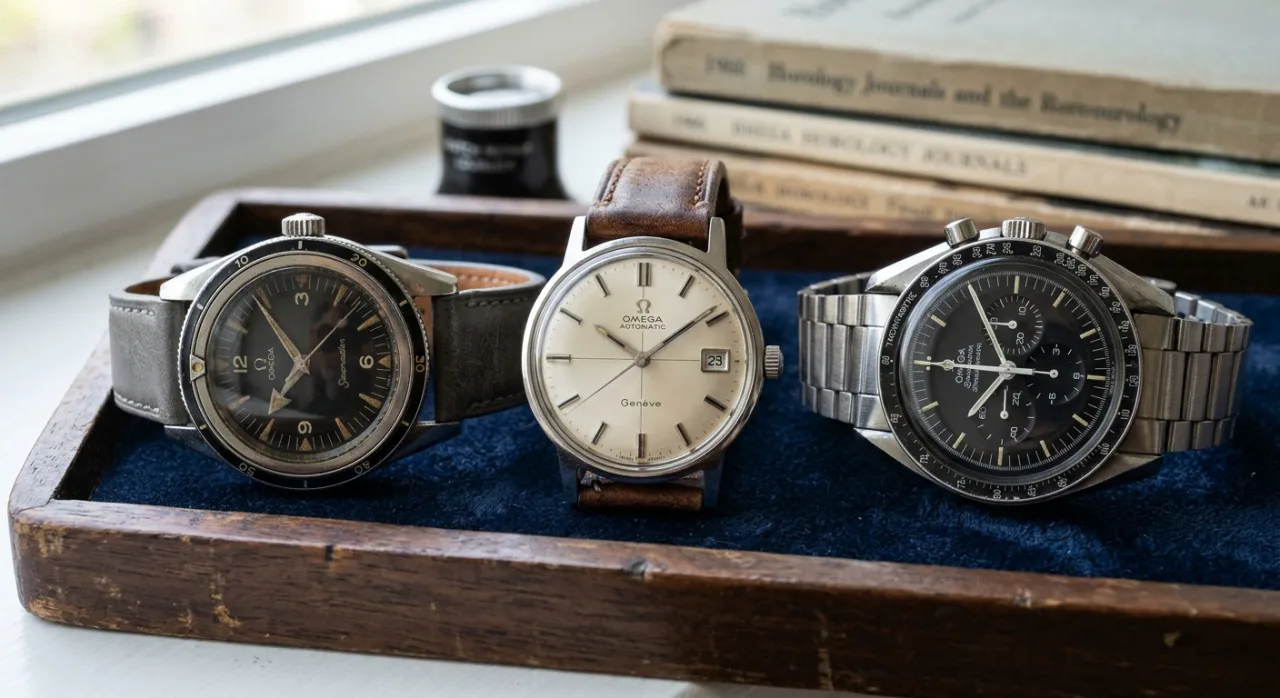
 A beautifully crafted watch preserves a moment in history while remaining relevant to modern style. Vintage timepieces offer far more than a simple way to tell time—they reflect the design preferences, engineering standards, and cultural influences of their era. Among collectors and enthusiasts, classic Swiss timepieces continue to attract attention due to their distinctive character and enduring craftsmanship.
Frequently Asked Questions About Vintage Omega Watches
1. Why do classic Swiss watches like Omega remain so appealing?
Omega has established a longstanding reputation for precision, innovation, and carefully considered watch design. Throughout the twentieth century, the brand introduced timepieces suited for various lifestyles, from formal dress occasions to practical daily use.
Understanding their lasting appeal involves four key aspects:
-
Historical Design: Restrained dial layouts, balanced proportions, and classic cases.
-
Mechanical Heritage: Traditional self-winding mechanisms engineered for longevity.
-
Versatility: Understated aesthetics that complement modern casual and formal wardrobes.
-
Enduring Value: A tangible connection to an earlier era of fine watchmaking.
2. What makes mid-century models like the 1967 Omega Genève unique?
The Omega Genève Automatic 1967 watch serves as a quintessential example of mid-century Swiss watchmaking aesthetics.
While individual examples vary depending on reference numbers and production details, hallmark features of this era include:
-
Minimalist Dials: Clean hour markers and balanced proportions without excessive text.
-
Automatic Movements: Reliable rotor-driven mechanisms powered by daily wrist movement.
-
Proportional Cases: Polished stainless steel or gold-plated cases that sit comfortably on the wrist.
3. How do mechanical movements differ from modern quartz, and how should they be maintained?
Unlike battery-powered quartz timepieces, traditional mechanical watches rely on intricate, interconnected components working together to measure time. In an automatic movement, an internal rotor winds the mainspring through natural wrist motion.
Key Maintenance Insight: Over decades, factory lubricants dry up and internal components experience natural wear. Even a well-preserved timepiece requires periodic professional servicing. A qualified watchmaker should inspect, clean, and re-lubricate the movement to ensure reliable timekeeping.
4. How do vintage Omega proportions compare to modern luxury watches?
Vintage models offer classic, understated proportions compared to contemporary timepieces:
| Feature / Aspect | Vintage Omega Models | Modern Luxury Watches |
| Case Proportions | Classic & modest (33mm – 38mm) | Bold & prominent (40mm – 44mm+) |
| Dial Aesthetic | Minimalist, aged patina, clean markers | High-contrast, complex sub-dials |
| Styling Versatility | High (Pairs easily with casual and formal wear) | Sport-focused or highly formal |
| Water Resistance | Low (requires active protection) | High (factory sealed) |
5. What should buyers check to verify condition and authenticity?
Evaluating condition and verifying authenticity are critical steps before completing any vintage purchase.
Condition Inspection Checklist:
-
Dial & Hands: Look for original finishing and natural patina rather than water damage or aggressive repainting.
-
Case & Crown: Check for original sharp case bevels and verify that the crown features correct period branding.
-
Crystal & Parts: Determine whether components are original or aftermarket replacements.
Authenticity Verification Checklist:
-
Compare reference numbers, movement serials, and case markings against manufacturer records.
-
Request original purchase receipts, provenance, or past service logs.
-
Seek an independent evaluation from a trusted watch specialist if uncertainty remains.
6. How should you protect and store a vintage watch?
-
Keep Away From Water: Older rubber gaskets degrade over time. Avoid water exposure unless the watch has been professionally pressure-tested.
-
Avoid Magnetic Fields: Keep timepieces away from speakers, magnetic laptop clasps, and electronics that can disrupt mechanical accuracy.
-
Store Safely: Keep timepieces in a dry, temperature-controlled environment away from direct sunlight.
7. What is the best strategy for building a vintage watch collection?
Building a collection does not require buying the rarest or most expensive reference immediately. A thoughtful approach includes:
-
In-Depth Research: Compare multiple listings of the same model to understand realistic market pricing and condition variations.
-
Budgeting for Servicing: Factor potential cleaning, lubrication, or repair costs into your total purchase budget.
-
Buying from Reputable Sources: Partner with sellers who provide transparent descriptions, clear high-resolution photos, and return guarantees.
Vintage Omega watches bridge historical significance, mechanical ingenuity, and timeless styling. For enthusiasts exploring classic models, platforms like Fusion Element Watches offer a starting point for discovering pre-owned luxury and vintage timepieces. Thorough research and realistic expectations ensure every addition to your collection provides lasting value and enjoyment.