
The majestic Himalayas have long been regarded as a place of spiritual awakening and inner peace. Every year, thousands of devotees travel to Uttarakhand to visit sacred shrines surrounded by snow-covered peaks, flowing rivers, and breathtaking valleys. Whether you are planning a shorter pilgrimage or a complete spiritual circuit, proper preparation can make the journey safer, more comfortable, and deeply rewarding.
Two shrines or the full circuit
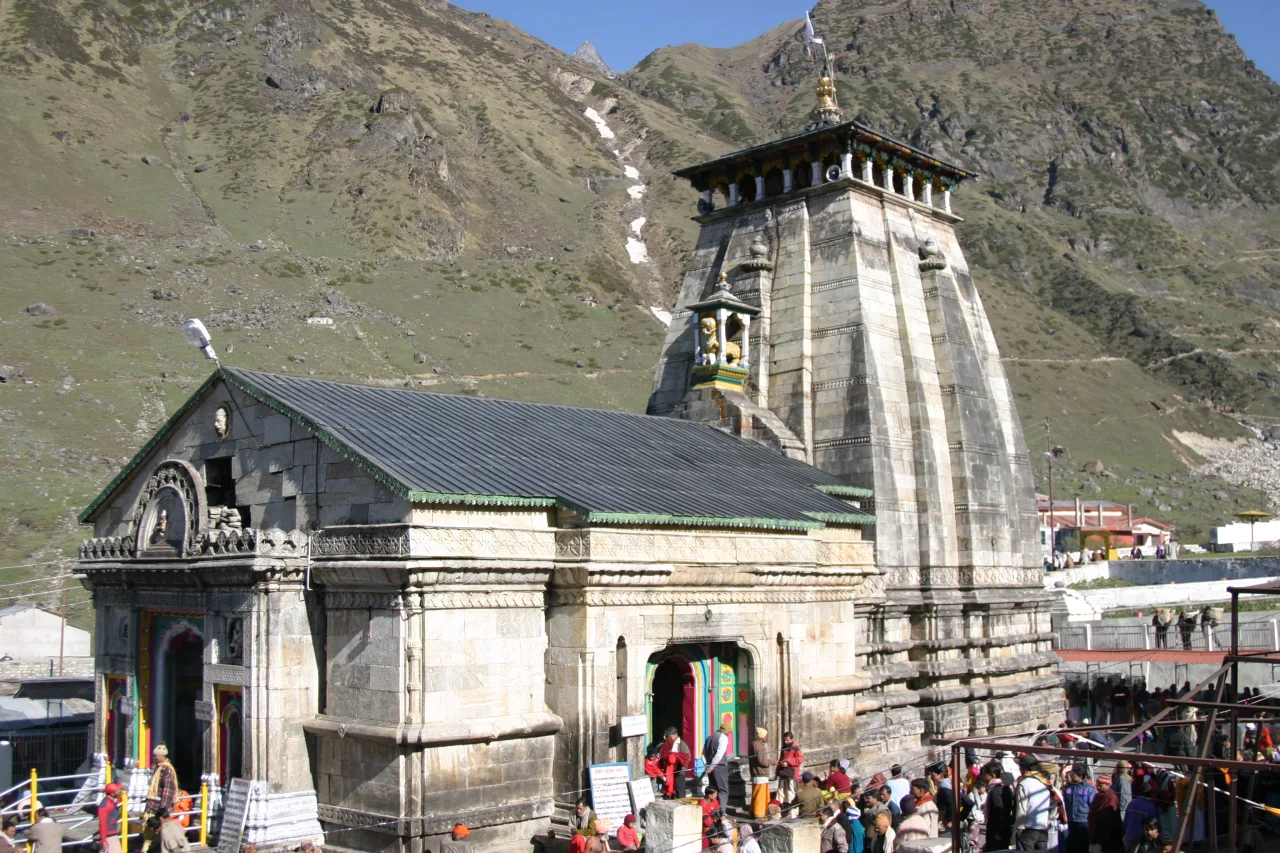
Travelers with limited time often visit two of Uttarakhand’s major shrines rather than attempting the full four-shrine circuit. A two-shrine journey is generally chosen according to the traveler’s preferences and available days, and can still offer a meaningful spiritual experience. The Char Dham circuit traditionally includes Yamunotri, Gangotri, Kedarnath, and Badrinath. Each destination holds unique religious significance and presents visitors with spectacular views of the Himalayan landscape.
Planning the journey from Delhi requires careful attention to transportation, accommodation, weather conditions, and physical readiness. A well-organized itinerary can help travelers focus on their spiritual experience instead of managing last-minute travel arrangements.
Weather, packing, and altitude
The Himalayan weather can change quickly, making it essential to select a suitable travel period. Pilgrims should check seasonal conditions, road accessibility, and official travel updates before finalizing their plans. The peak pilgrimage season can be busy, so booking transportation and accommodation in advance is often helpful. Travelers who prefer a quieter experience may consider traveling during less crowded periods within the official pilgrimage season.
A journey through the Himalayas can involve long road trips, high altitudes, and changing temperatures. Packing layered clothing, comfortable walking shoes, essential medicines, and personal documents can make the trip easier. It is also wise to allow enough time for rest and acclimatization. Senior travelers and people with specific health concerns should seek appropriate medical advice before undertaking a demanding mountain journey.
Organizing the journey independently can be challenging because of the distances between destinations and the unpredictability of mountain travel. Leave enough flexibility in the schedule to absorb delays without abandoning later shrines.
Traveling with care
A pilgrimage is more than simply reaching a destination. It is an opportunity to slow down, reflect, and connect with nature and spirituality. Avoid overpacking your schedule and leave room to appreciate the rivers, villages, temples, and mountain scenery along the route. Travel responsibly by respecting local traditions, keeping pilgrimage routes clean, and following safety instructions. Small actions can help preserve these sacred destinations for future generations.
A Himalayan pilgrimage can be a memorable combination of faith, natural beauty, and personal reflection. The key to a comfortable journey is thoughtful preparation, realistic scheduling, and choosing travel arrangements that match your needs. Whether you select a shorter pilgrimage or a complete spiritual circuit, planning ahead can help you enjoy every stage of the journey.