
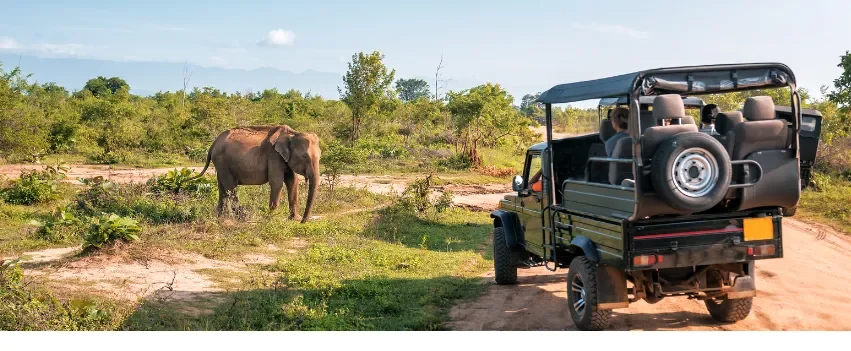
Planning a trip to Tanzania usually involves balancing two distinct desires: experiencing wild landscapes filled with lions, wildebeest, and open plains, followed by a few days of total relaxation on a beach. Fitting both experiences into a single holiday requires careful planning regarding flight connections, travel times, seasonal variations, and budget limitations.
Tanzania is uniquely suited for this dual-destination holiday. Northern Tanzania features renowned wildlife parks such as the Serengeti and the Ngorongoro Conservation Area, while the eastern coast offers the Indian Ocean island of Zanzibar with its white-sand beaches, spice farms, and historic Swahili streets. Successfully combining a safari and a beach holiday depends on aligning the details correctly.
The Northern Safari Circuit
Most first-time visitors focus on the Northern Safari Circuit, which includes four primary destinations. Serengeti National Park is famous for its endless grasslands and the wildebeest migration. The Ngorongoro Conservation Area encloses a massive wildlife-filled caldera alongside local Maasai communities. Tarangire National Park is known for its large elephant populations and towering baobab trees, while Lake Manyara National Park offers scenic woodland, a shallow lake, and abundant birdlife.
Trying to visit every park in a short timeframe is a common misstep. Travelers should tailor their itineraries based on available days, preferred wildlife species, driving distances, and budget. For those prioritizing the migration, dedicating the majority of safari time to the Serengeti yields the best results.
Understanding the Great Migration
The Great Migration is a continuous, weather-driven cycle where vast herds of wildebeest, zebras, and other grazers traverse the Serengeti ecosystem in search of fresh grazing lands. Because the herds shift locations throughout the year, travelers must align their dates with regional patterns, such as the southern Serengeti calving season from January to March, or river crossings in the north during specific seasonal windows. Because weather patterns vary annually, no single location can be guaranteed on exact dates, making it essential to select lodges based on expected herd movements and allow ample time for sightings.
Sample Itineraries
Itineraries can be structured in several ways depending on duration. A seven-to-eight-day trip offers a concise route starting in Arusha, moving through Tarangire or the Ngorongoro Crater, continuing to the Serengeti, and concluding with a brief beach stay in Zanzibar. A ten-to-twelve-day itinerary provides a more balanced pace, allowing sufficient time across the northern parks and three to four days on the island. A two-week journey permits deeper exploration of the Serengeti, enhancing wildlife viewing opportunities alongside extended beach and cultural time.
Logistical planning requires choosing between driving long distances between parks or taking regional flights via small aircraft. While driving reveals more of the countryside, the journey from Arusha to the Serengeti occupies a full day, making domestic flights an attractive option for tighter schedules. Flights connecting the safari airstrips to Zanzibar often involve strict luggage weight limits and soft-sided bag requirements, necessitating careful coordination with airline policies and hotel bookings.
Adding Zanzibar
Transitioning from dusty game drives to the maritime environment of Zanzibar offers a distinct change of pace. Visitors can explore the labyrinthine alleys, carved doors, and markets of historic Stone Town with a guide. Coastal regions feature diverse settings, ranging from the swimming and water activities of Nungwi and Kendwa to the kiteboarding culture of Paje and the traditional fishing village atmosphere of Jambiani. Additional island activities include spice farm tours, snorkeling, dhow sailing trips, and walks through Jozani Forest.
When to Go
Choosing the best time to travel involves weighing safari priorities against weather patterns. The dry season generally offers optimal wildlife viewing as animals congregate around water sources, while the green season presents lush landscapes and newborn animals in the southern Serengeti during early months. Zanzibar experiences drier conditions from June through October and again in January and February, with long rains typically occurring between March and May.
Budgeting and Preparation
Budgeting for a Tanzania trip involves several key components, including vehicle hire, professional guide fees, park conservation permits, domestic flights, accommodations, and island excursions. Expenses vary widely depending on whether travelers choose public campsites, mid-range tented camps, or luxury lodges. Requesting itemized quotations from operators helps clarify inclusions and manage overall expenses.
Preparation for the journey requires verifying passport validity, securing necessary visas and travel insurance, and packing neutral-colored clothing, sun protection, insect repellent, and binoculars. Respecting local customs and guidelines provided by guides ensures a safe and rewarding experience across both the mainland wilderness and the coastal communities.