
When you recognize that travel extends far beyond a collection of picturesque views, your entire journey becomes significantly richer. The undeniable appeal of classic adventures such as embarking on high-altitude Inca trail tours comes from moving through landscapes deeply shaped by generations of human history, living traditions, and indigenous knowledge.
Yet, many travelers admire breathtaking landscapes while overlooking the communities that give those places meaning. When local culture is reduced to mere scenery, a vital connection breaks: you lose sight of the fact that you are encountering living, breathing communities rather than exploring a passive background for your vacation photos.
Culture Isn’t a Stage Set
Through the lens of travel photography, a destination quickly transforms into a carefully composed set piece. Traditional architecture, vibrant clothing, bustling markets, and ceremonial rites easily turn into top visual highlights.
The primary issue arises when travelers act as though these traditions exist solely for external observation and photography. Living culture is dynamic it adapts, resolves internal challenges, and responds to modern pressures.
| Cultural Element | Common Tourist Viewpoint | The Living Reality |
| Traditional Attire | A colorful costume for photo opportunities. | Attire holding deep familial, historical, or religious meaning. |
| Local Markets | Exotic shopping spots for souvenir hunting. | Vital workplaces and essential daily social hubs for residents. |
| Ceremonials & Rites | Unique entertainment or performance art. | Sacred practices tied directly to spiritual beliefs and heritage. |
Long before any tradition becomes a travel highlight, it serves as the daily foundation of local life.
The Rise of the Transactional Traveler
Treating culture as scenery encourages a transactional approach to exploration. You arrive expecting a curated experience, snap quick photos, purchase mass-produced souvenirs, and leave believing you consumed something genuinely authentic.
This habit creates an unexamined imbalance. Travelers hold mobility, financial resources, and the immediate freedom to depart. Conversely, host communities manage the long-term economic, social, and environmental impacts of tourism long after visitors head home. When communities perform traditions solely to satisfy visitor expectations, cultural heritage risks becoming a commercial commodity shaped by external demand.
Thoughtful travel, however, provides essential income, helps preserve ancient heritage sites, and supports local artisans. The core difference lies in whether local communities retain full authority over how their culture is shared, interpreted, and presented.
Moving Beyond the Photo: Actionable Steps for Mindful Travel
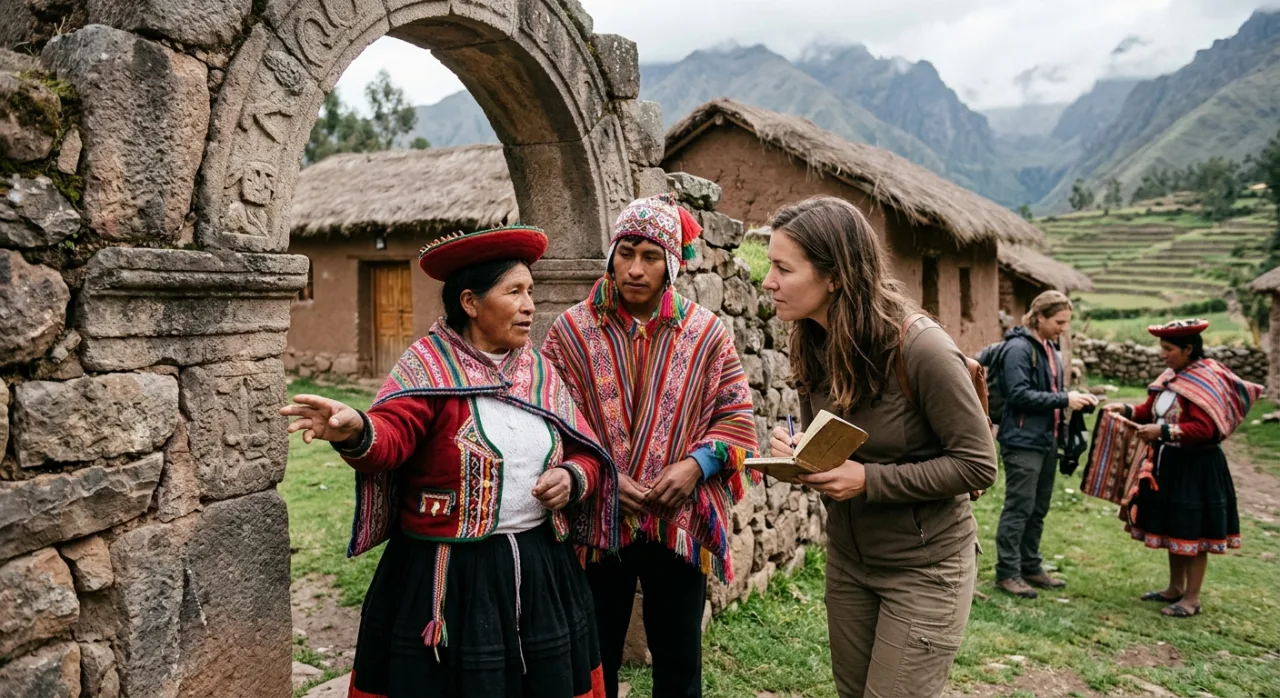
Shifting away from surface-level tourism requires actionable, conscious decisions during your trip. Asking deeper questions before picking up a camera or making a purchase elevates the entire experience.
       [ Mindful Exploration Approach ]
                     │
     ┌───────────────┴───────────────┐
     ▼                               ▼
[ Respectful Inquiry ]     [ Direct Economic Support ]
  • Seek permission           • Buy directly from artisans
  • Understand context        • Hire local, resident guides
  • Listen to stories         • Stay in locally owned lodges
Key Practices for Responsible Engagement:
-
Ask for Explicit Permission: Always verify whether photography is welcome before taking close-up portraits or photographing sacred ceremonies.
-
Support the Local Economy Directly: Buy handcrafted goods straight from resident artisans rather than large, anonymous souvenir vendors.
-
Prioritize Resident Guides: Choose locally operated tour guides and family-owned accommodations to ensure your money remains within the host community.
-
Listen Before Concluding: Spend time listening to community members explain their traditions instead of assuming a single photo captures the entire story.
Let People Be People
The most vital mindset shift is acknowledging that no community exists to make a destination visually interesting for outsiders. Local residents are not background actors in a personal travel story; they have private lives, daily responsibilities, personal goals, and ongoing concerns completely unrelated to tourism.
The goal is not to stop exploring or admiring beautiful places. Rather, the goal is to observe with greater respect and awareness. Culture deserves to be met as a complex, self-determined force. By making this transition, you move past consuming surface appearances and begin genuinely engaging with the human reality that makes travel worthwhile.