
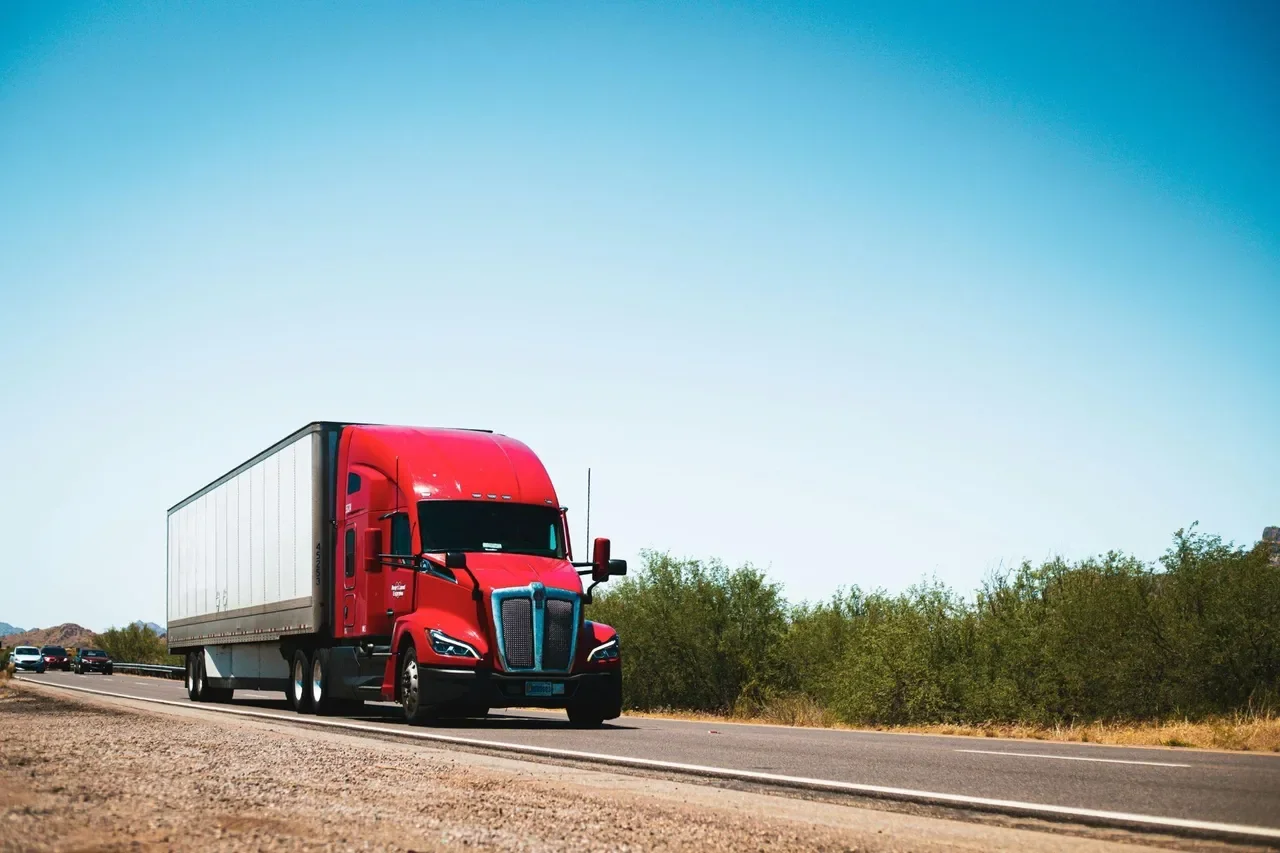
Moving a full trailer across a border looks simple on a schedule and gets complicated fast on the road. Anyone who plans cross-border freight learns quickly that it involves two sets of rules and several parties who each hold a piece of the shipment. A little preparation at the start saves a lot of phone calls later.
Guide walks through how a shipper can get a full truckload move
This guide walks through how a shipper can get a full truckload move ready between Canada, the United States and Mexico. First Frontier Logistics works with business shippers on these lanes and the same questions tend to come up before a first booking. The sections below take them in the order most shippers meet them.
A full truckload move starts with a clear description of the freight. The carrier needs to know the weight, the dimensions, how the load is packed and whether it needs special handling. Machinery and industrial equipment, for instance, call for different trailers than palletized goods. Giving those details up front lets a carrier match the right equipment to the job and quote with confidence. Accurate details can also prevent surprise charges when the freight is weighed or inspected.
Timing deserves the same attention. Border crossings have busy periods and a pickup window that looks generous on paper can shrink once a driver reaches the queue. Shippers who share their delivery deadline early give the carrier room to build a realistic schedule. That conversation also shows whether a full truckload is the right fit at all, since some freight moves better as part of a consolidated shipment.
Business freight is another point to settle
Business freight is another point to settle. First Frontier Logistics handles shipments for businesses and does not move personal belongings, so a company should confirm that its load fits the service before it asks for a quote. Clearing up that question early keeps everyone on the same page.
Documents are where many cross-border moves succeed or stall. A commercial invoice and a bill of lading are standard for most shipments. Depending on the goods and the lane, a certificate of origin may be needed as well. Each document has to match the others because a mismatch in description or value can hold a truck at the border while someone sorts it out.
This is where customs brokerage helps. A broker prepares and files the entry and answers questions from border officials while the truck is on the road. Shippers who handle cross-border freight on a regular basis often find that one partner covering both the trucking and the customs side cuts down on the back and forth. First Frontier Logistics offers customs brokerage alongside its truckload service, which keeps those two pieces under one roof.
Bonded moves deserve a mention too
Bonded moves deserve a mention too. A shipment bound for Canada or Mexico can travel in bond through the United States when the carrier is bonded. In that case the freight is not cleared into the U.S. along the way. The value of that arrangement lies in avoiding customs processing delays in the transit country. The crossing itself takes the same time as any other when the paperwork is in order. Shippers on Mexico to Canada lanes should ask a carrier directly whether it can move freight in bond.
Once the truck is loaded, the main question becomes where the freight is. Shippers planning production schedules or customer deliveries need an answer that reflects where the truck is right now. Real-time tracking gives a logistics team that visibility, whether the load is a single pallet or a full machinery shipment. Clarity is most useful on lanes where a truck passes through more than one jurisdiction.
Good visibility also changes how a team handles problems. If a delay appears, an early alert gives the shipper time to warn the receiving dock and adjust the production schedule. Silence from a carrier forces a planner to chase information and that chase costs time that could go toward other work. Regular updates also give the shipper something concrete to pass along when its own customer asks for an arrival time.
Technology supports this in practical ways
Technology supports this in practical ways. Electronic data interchange lets a shipper exchange shipment data automatically with its carrier. GPS tracking and milestone updates show progress along the route. Direct connections between systems can feed that information into a shipper’s own tools.
The right carrier for a full truckload move is one that communicates clearly and understands the lanes it runs. Price matters, but it is only one part of the picture. A quote that looks good on paper means little if the carrier cannot commit capacity for the dates a shipper needs.
Several questions help sort out a good fit. Does the carrier cover the origin and destination? Can it handle customs on both sides of the crossing? Who will the shipper speak to when something changes mid-route? Clear answers to these questions say a lot about how the relationship will run.
Scheduling and cost predictability belong on that list as well
Scheduling and cost predictability belong on that list as well. A dedicated trucking arrangement can give a shipper guaranteed capacity and consistent scheduling on lanes it uses regularly, which helps a planner budget with fewer surprises. First Frontier Logistics offers dedicated freight options alongside its truckload and less-than-truckload services, so shippers can compare approaches within one relationship.
Finally, ask about service fit. A carrier that works closely with its customers will usually say plainly when a shipment is outside what it does well. That honesty saves a shipper from a poor match.
A full truckload move across the border goes best when the shipper prepares before the truck is booked. Clear freight details, matching documents and reliable tracking all help a crossing go more smoothly. Taking that time at the outset also gives the carrier what it needs to quote accurately and schedule well. Shippers who treat cross-border freight as a planning exercise tend to spend less time solving problems on the road. Companies with an upcoming move can contact First Frontier Logistics to talk through the lane and the paperwork.
A commercial invoice and a bill of lading are standard for most
A commercial invoice and a bill of lading are standard for most shipments when crossing the border, and a certificate of origin may also be needed depending on the goods and the lane. Each document should match the others, since a mismatch in description or value can hold a truck at the border.
In-bond freight is a shipment bound for Canada or Mexico that travels through the United States on a bonded carrier without being cleared into the U.S. along the way. The benefit is avoiding customs processing delays in the transit country, though the physical crossing itself takes the same time as any other when paperwork is in order.
Determining whether a full truckload is the right option for a shipment starts by sharing freight details and delivery deadlines with the carrier to see if it fits or if consolidation works better. Before booking, shippers should ask whether the carrier covers the origin and destination, handles customs on both sides, provides a point of contact for mid-route changes, and can commit capacity for the required dates. First Frontier Logistics handles shipments exclusively for businesses and does not move personal belongings.