
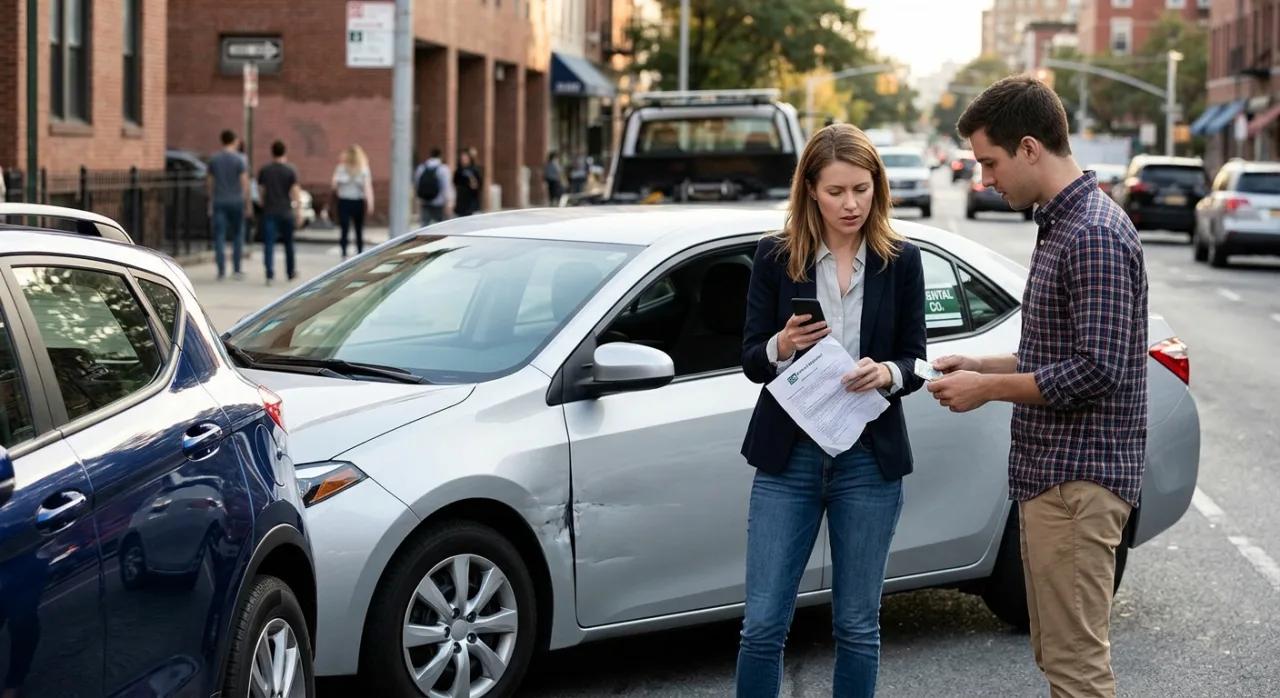
 A rental car collision creates immediate uncertainty around financial responsibility and claims processing. Determining which insurance applies first depends on several key factors: who was at fault, the terms of the rental contract, the driver’s existing auto policy, and state law.
While credit card benefits and rental company waivers offer specific protections, they rarely replace primary auto insurance entirely. Identifying the primary and secondary layers of coverage early ensures you file claims correctly, adhere to strict deadlines, and preserve essential evidence.
1. Start With the Driver’s Personal Auto Policy
In most cases, a personal auto insurance policy extends coverage to a rental vehicle used for temporary personal travel.
-
Liability Coverage: Pays for bodily injuries and property damage you cause to others, up to your policy’s limits.
-
Collision and Comprehensive: Covers physical damage to or theft of the rental vehicle, subject to your personal deductible.
Important Step: Before driving off the lot, review your policy’s declarations page or contact your agent. If coverage or fault is disputed following a crash, practical legal guidance can help clarify your options, preserve evidence, and keep your claim moving forward without unnecessary delays.
2. Review the Rental Contract and Waivers
Rental agreements outline specific responsibilities for vehicle damage and liability. Rental agencies typically offer optional add-ons at the counter, which alter how a claim is handled:
-
Loss Damage Waiver (LDW) / Collision Damage Waiver (CDW): Relieves the renter of financial responsibility if the rental car is damaged or stolen. Note: An LDW is not insurance it does not cover third-party injuries or damage to other vehicles.
-
Supplemental Liability Insurance (SLI): Provides primary or excess third-party liability protection if you lack a personal auto policy or want higher limits.
-
Authorized Drivers: Only drivers explicitly listed on the rental agreement are covered. Allowing an unauthorized driver behind the wheel voids waivers and can result in denied claims.
3. How Fault Determines Primary Coverage
Who caused the collision directly dictates which insurer pays first:
                  ┌───────────────────────────────┐
                  │   Did another driver cause    │
                  │        the collision?         │
                  └───────────────┬───────────────┘
                                  │
                    ┌─────────────┴─────────────┐
                    ▼                           ▼
                 [ YES ]                     [ NO ]
                    │                           │
  Third-party driver's liability       Your personal auto policy handles
  insurance pays for injuries,         liability and damage first (or CDW/
  repairs, and losses.                 LDW if purchased).
When fault is contested, photographs, witness statements, police report numbers, and driver statements form the backbone of the investigation. Prompt reporting prevents insurers from questioning the timeline or severity of the incident.
4. Evaluate Secondary Coverage Sources
If your primary insurance limits are exceeded or you carry specific credit card protections, secondary coverage options kick in.
| Coverage Source | What It Typically Covers | Primary Exclusions / Limitations |
| Credit Card Benefits | Physical damage to or theft of the rental vehicle. | Rarely includes liability; excludes certain luxury vehicles or rentals lasting over 30 days. |
| Employer’s Business Insurance | Liability and damage during authorized work travel. | Strictly excludes personal detours or unauthorized trips during a business journey. |
| Personal Injury Protection (PIP) / MedPay | Medical expenses for you and your passengers regardless of fault. | Subject to state-specific regulations and personal policy limits. |
5. Protecting Injury and Property Claims
Vehicle repairs are only one side of a collision claim. Personal injury and third-party property damage require systematic documentation:
-
Gather Key Evidence immediately: Retain medical bills, repair estimates, rental receipts, police reports, and official correspondence from all involved insurers.
-
Monitor Administrative Fees: Rental companies often charge additional fees following a crash, such as “Loss of Use” (reimbursement for revenue lost while the car is repaired) and administrative handling fees.
Steps to Take Immediately After a Rental Crash
-
Prioritize Safety and Medical Needs: Call emergency services and seek immediate medical evaluation if anyone is hurt.
-
Document the Scene: Take photos and videos of all vehicles involved, road conditions, traffic signs, and visible injuries.
-
Notify the Rental Company: Report the crash promptly. Rental contracts often impose strict timeframes for reporting incidents.
-
Inform Your Insurer and Credit Card Issuer: Open claims with your personal insurance provider and the credit card company used to book the rental to activate secondary coverage.
-
Keep Clean Records: Maintain a dedicated file for all receipts, claim numbers, and representative contact details.
Summary
No single policy addresses every aspect of a rental car collision. Financial responsibility relies on a combination of your personal policy, the rental agreement, optional waivers, secondary credit card benefits, and applicable state laws. Identifying the correct claims hierarchy early allows you to protect your rights, avoid unexpected out-of-pocket costs, and ensure a smooth recovery process.